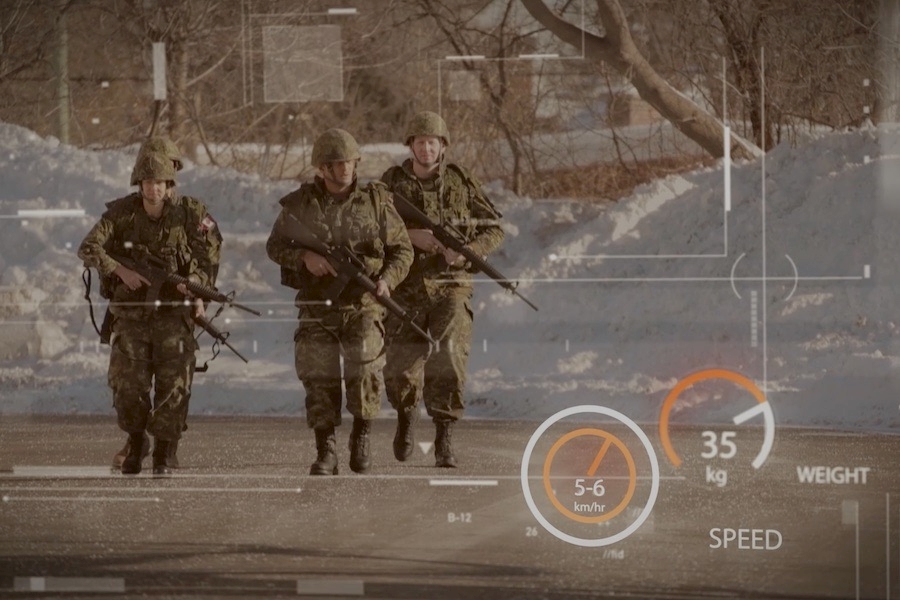
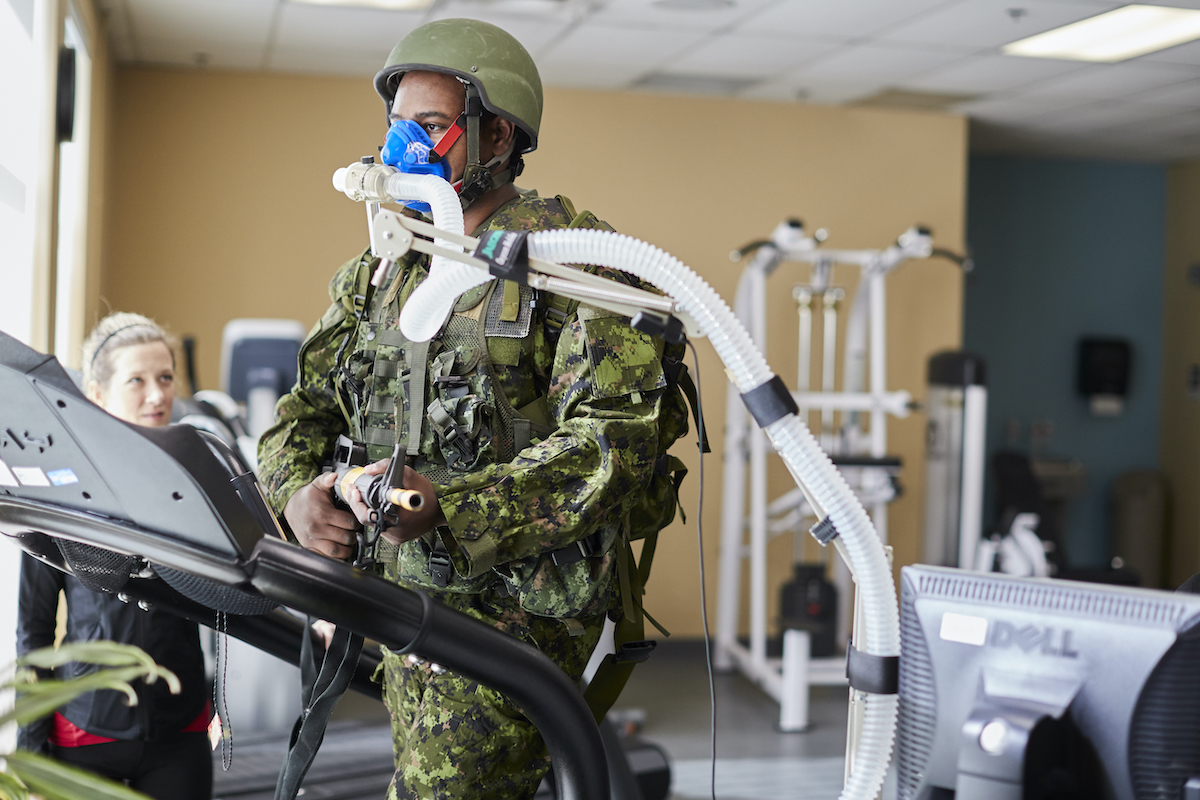
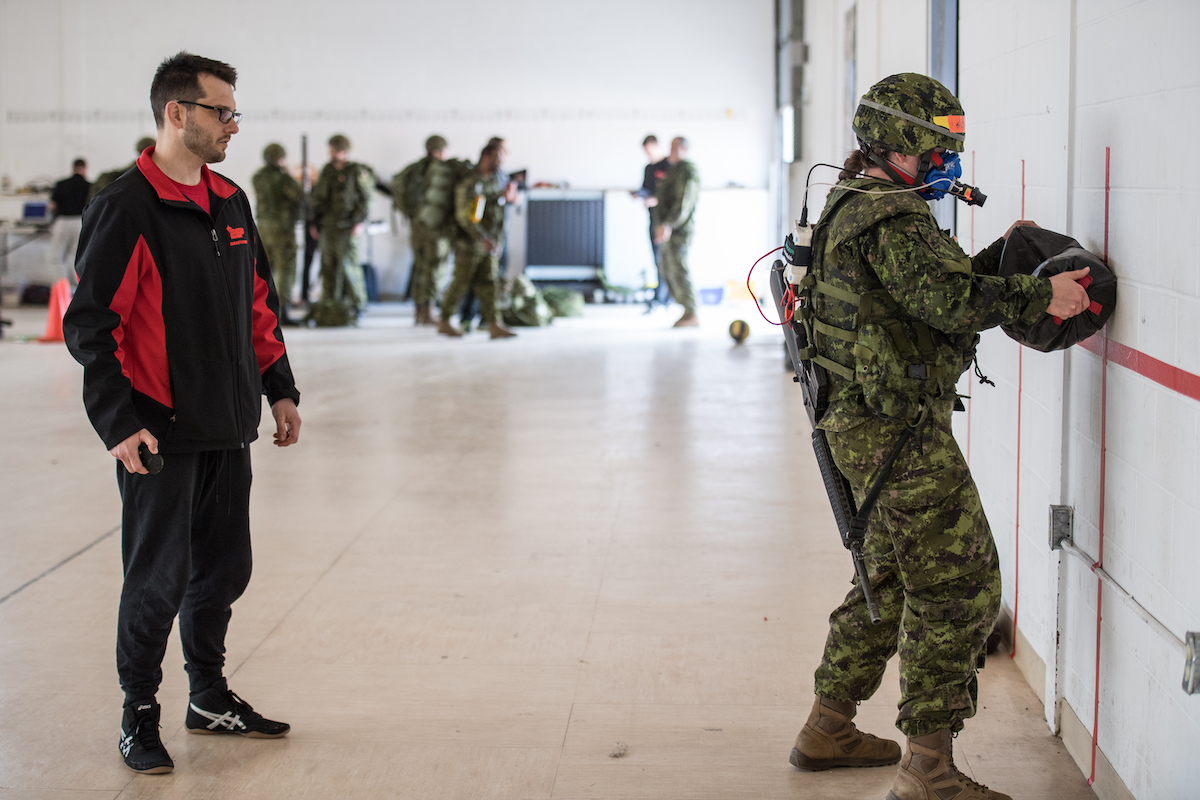
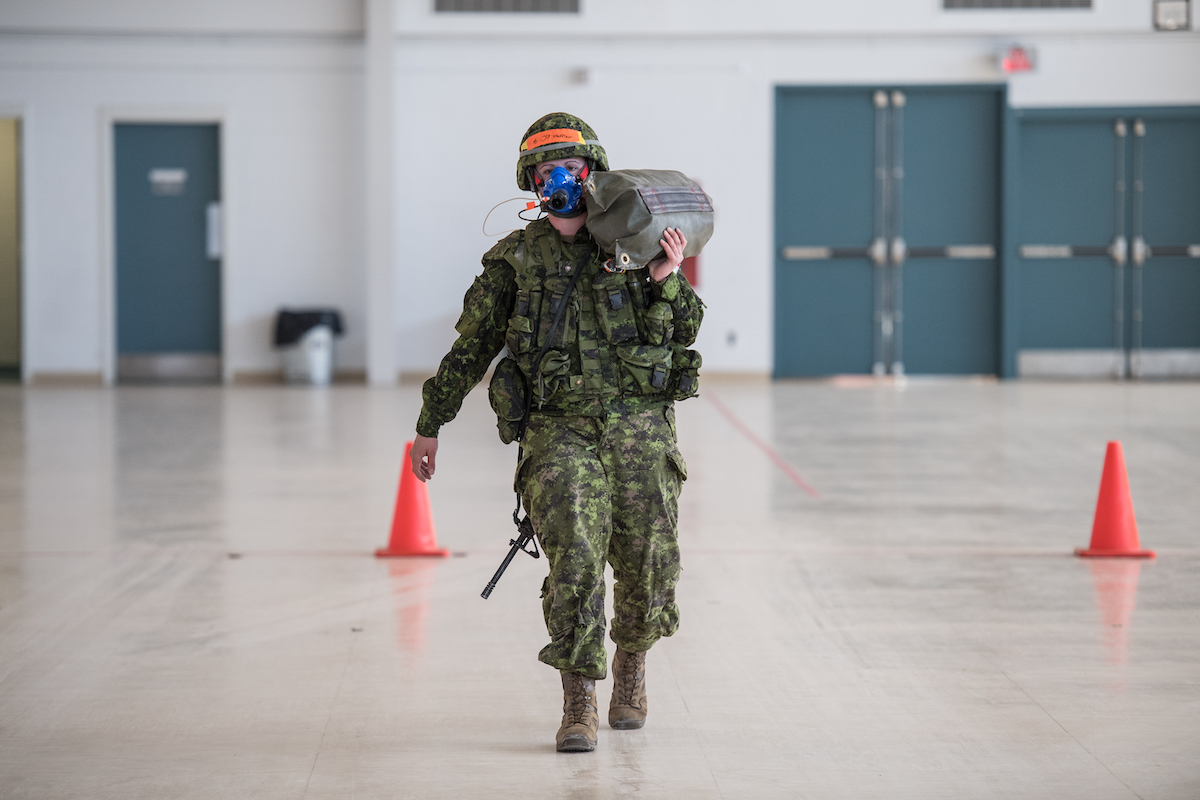
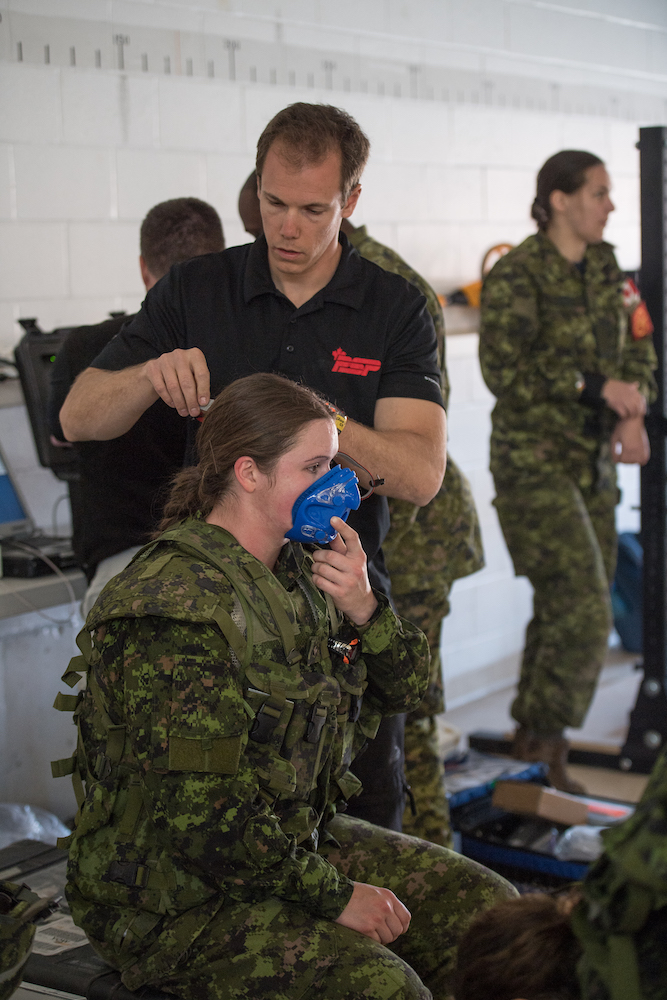
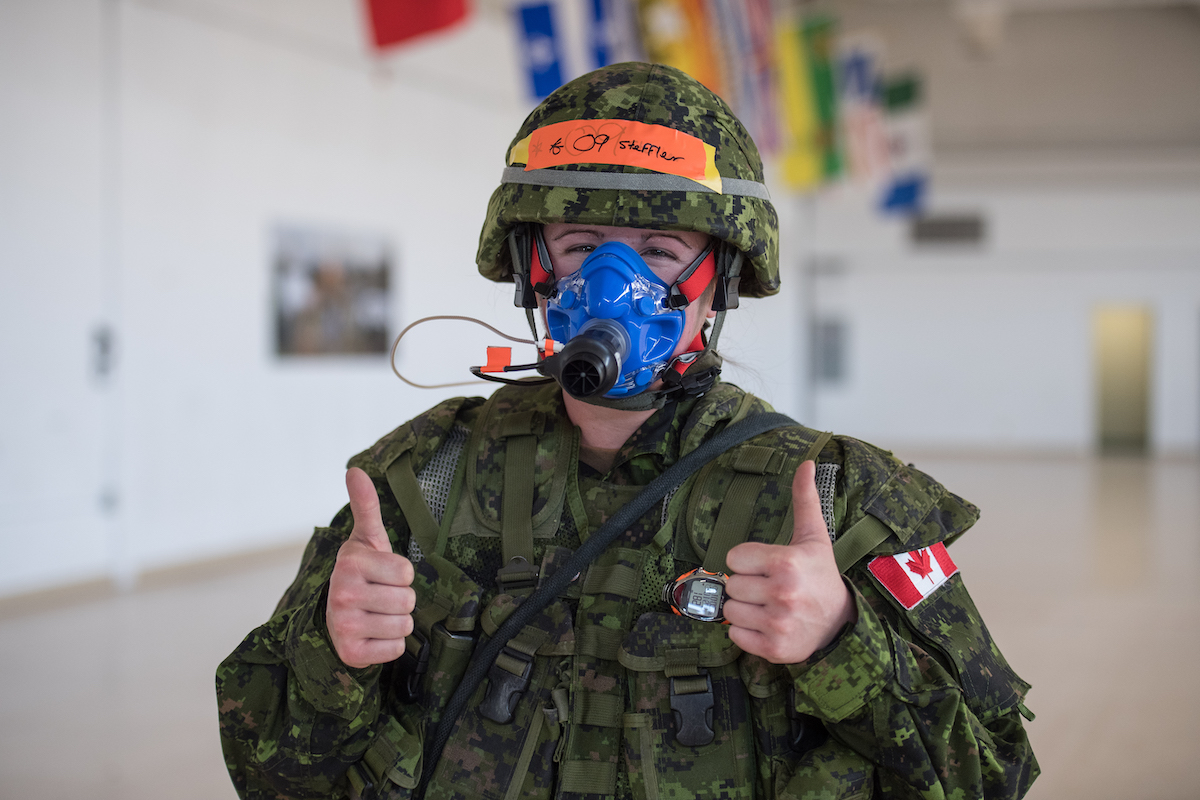
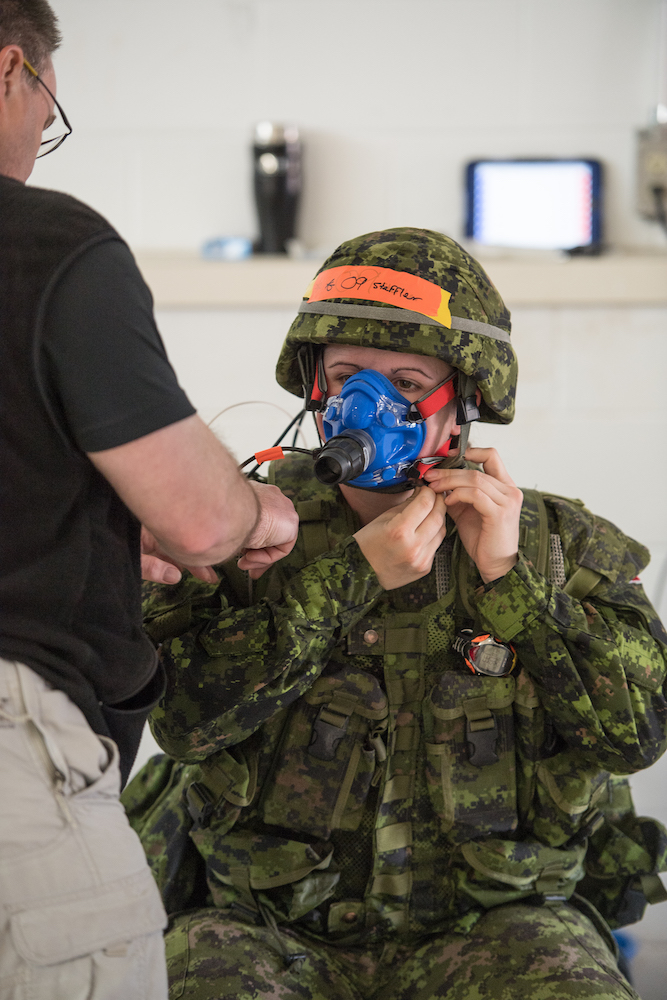
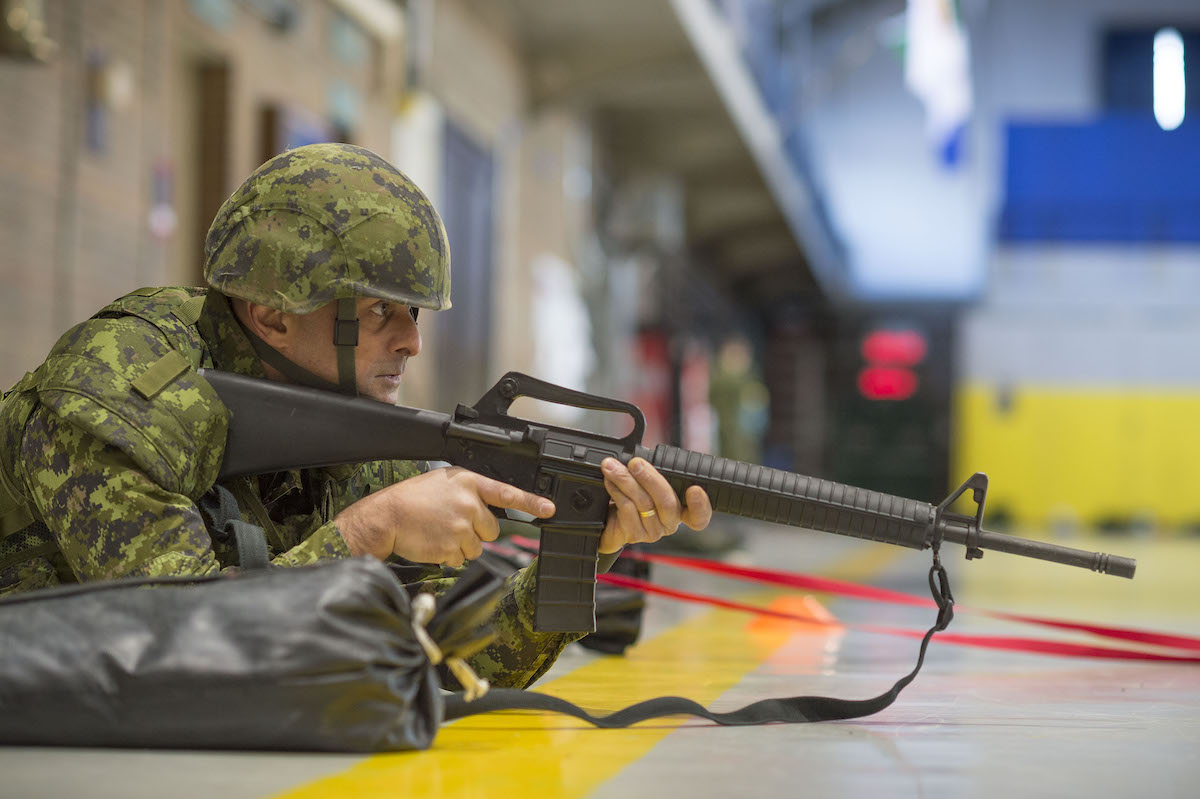
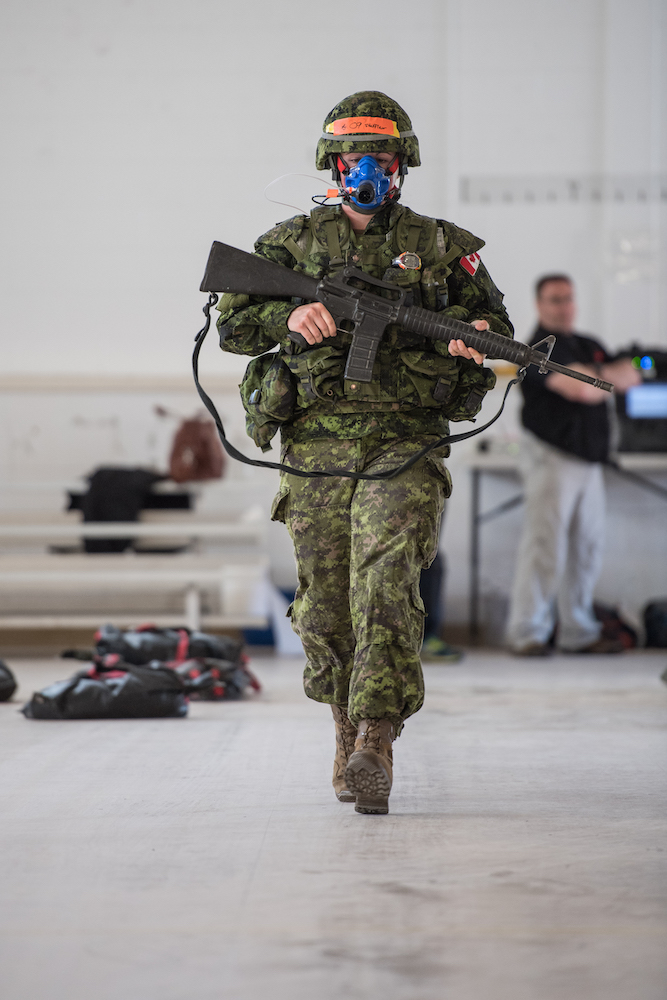
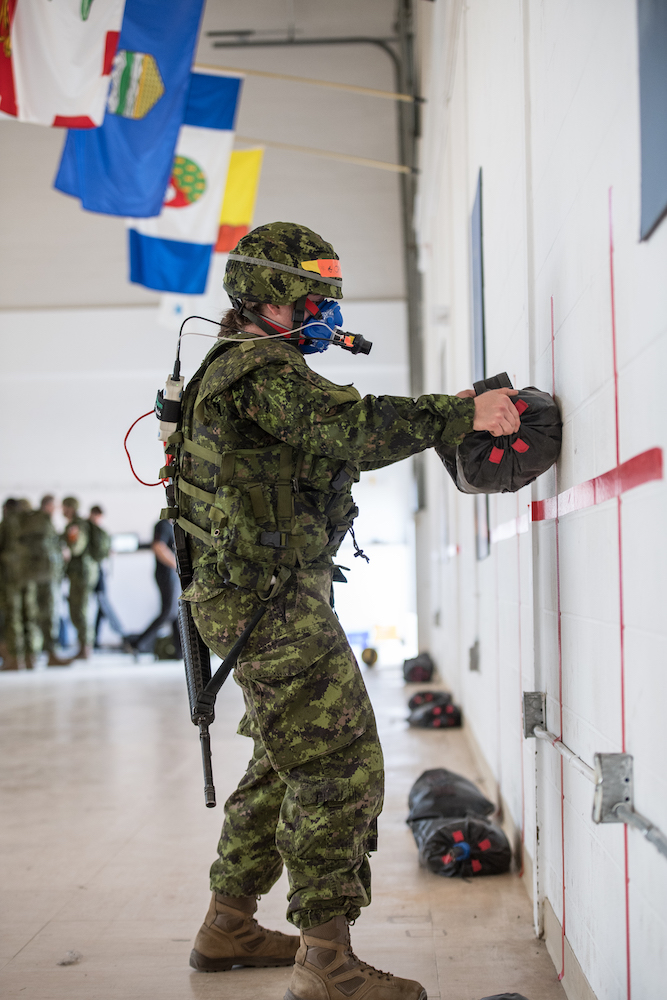
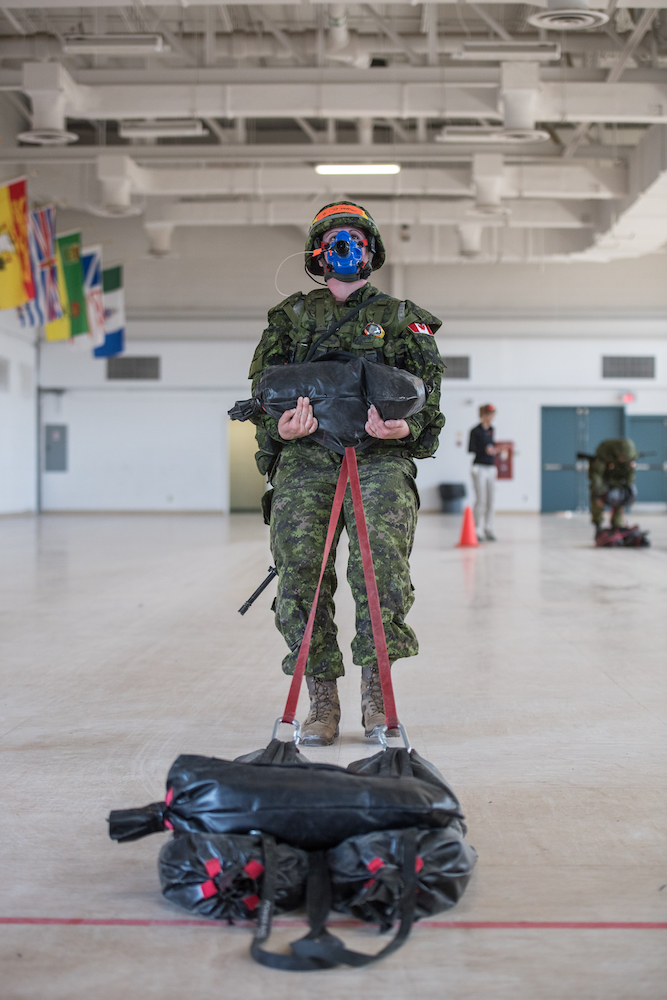
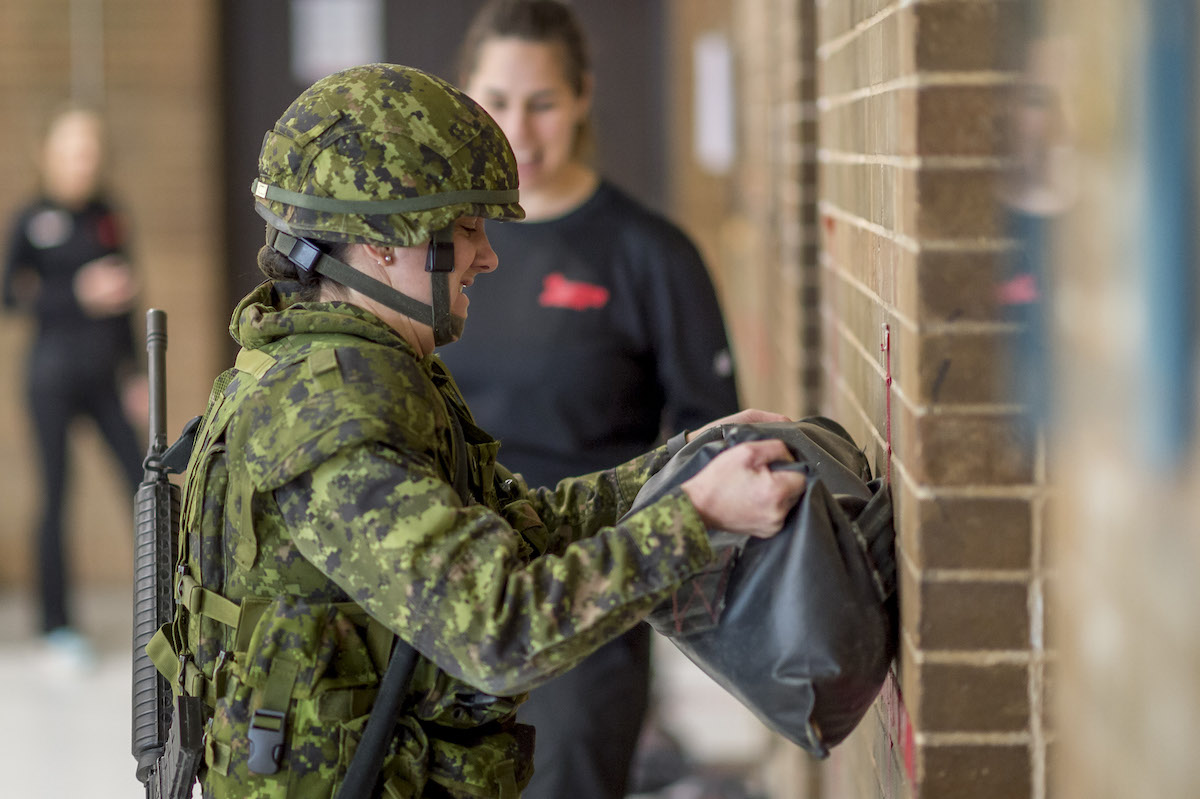
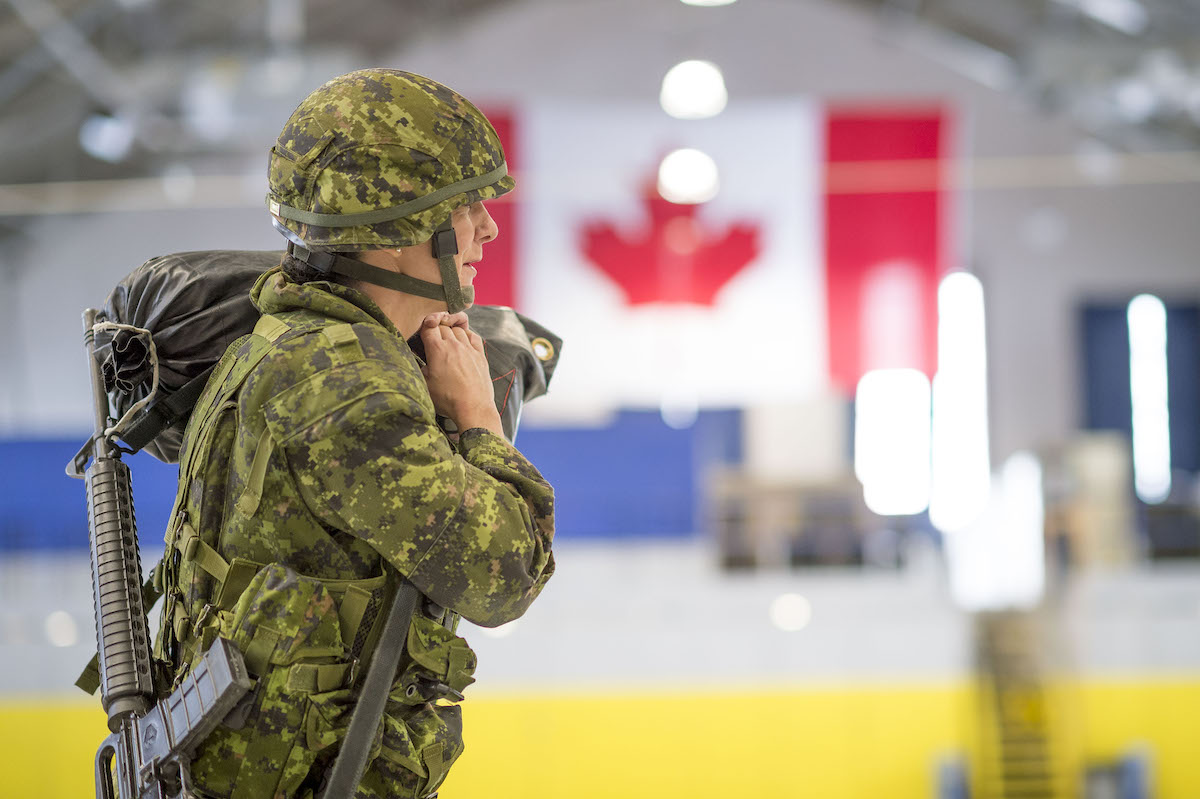
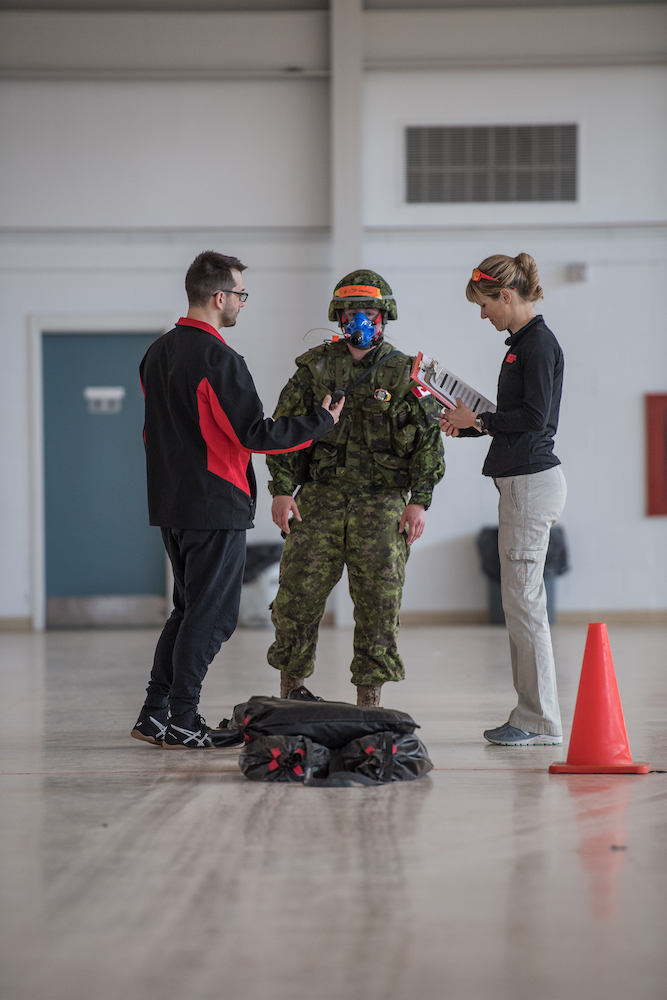
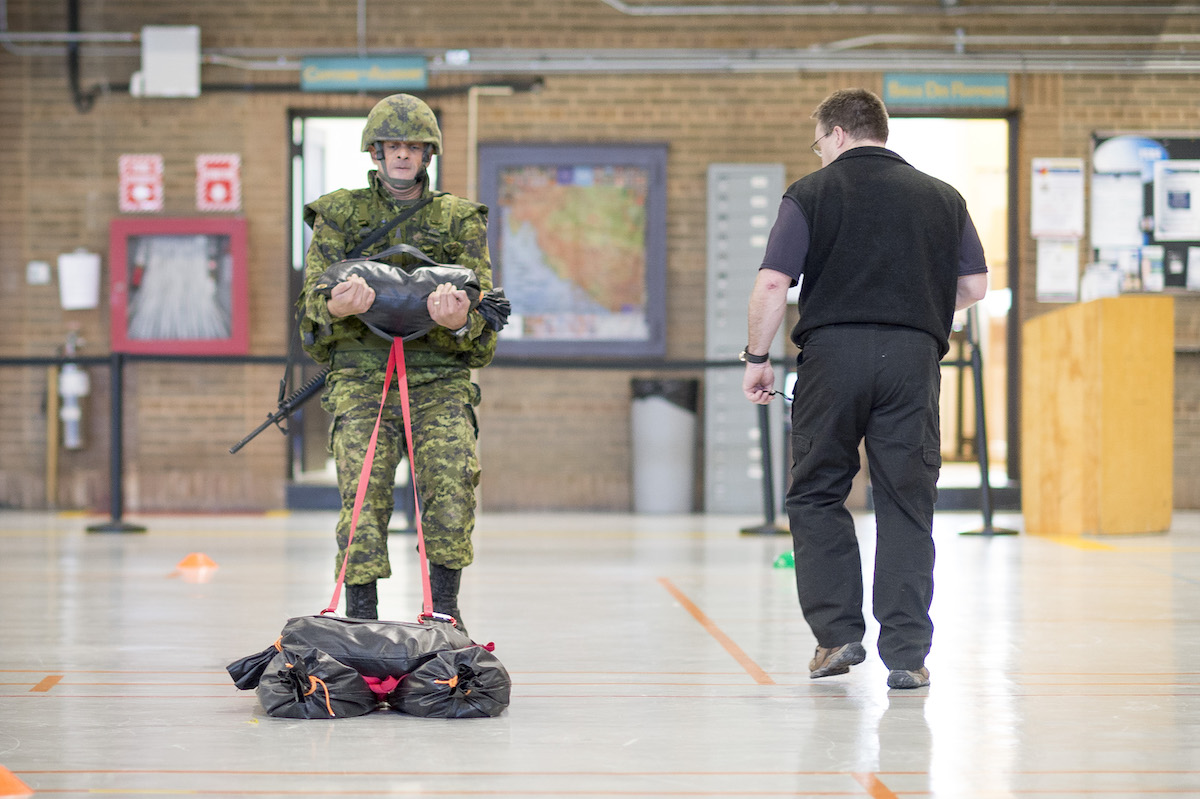
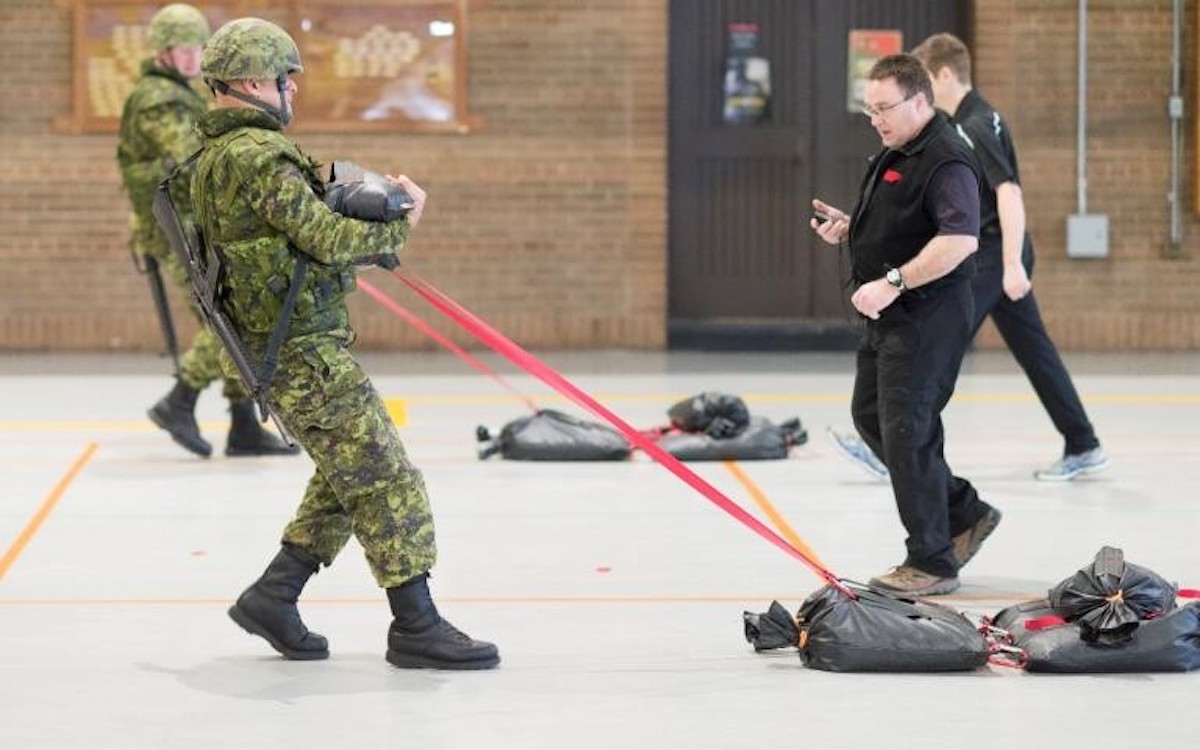
To some it may appear as if the Army has toughened up its fitness standard, but that is not the case. The FORCE Combat is not much harder than the old Battle Fitness Test (BFT), it is better structured and more relevant for what the CA needs. The FORCE Combat represents an evolution of the BFT based on modern operational tasks observed over the last 15 years of operational deployment. Unlike the BFT, it is experience based and backed by scientific research and testing, all aimed at enhancing a soldier’s physical readiness for a full spectrum of operations and missions. The comparison of the two evaluations are night and day as the tactical fitness elements evaluated with FORCE Combat will require an increased level of muscular strength and stamina, cardiovascular endurance, along with speed and agility. Similar to athletes, certain fitness skills are required more in some sports than others. The same applies to a tactical athlete’s profession, and these are the main fitness traits.
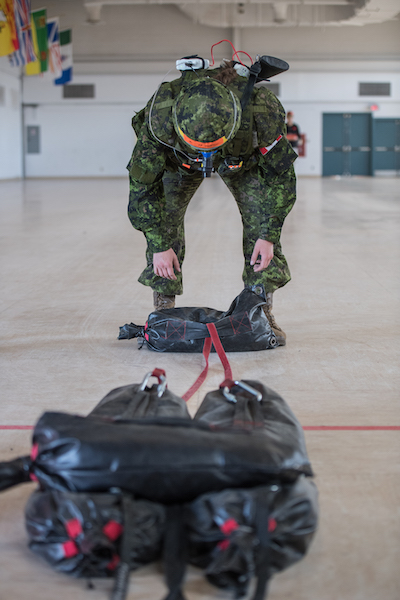 Physical fitness is an integral component of military service and CA soldiers must be physically fit. Strength and endurance could mean the difference between success and failure in a military operation. Similar to other IBTS elements, units are required to train for and administer the FORCE Combat at the unit level. The time required to regularly train for, and assess the FORCE Combat, may exceed the amount of time currently allocated for units or individual physical fitness.
FORCE Combat is designed to be age and gender neutral, it is based on standards-based skills. The details of its application and the policies and directives can be found on www.forcecombat.ca, where published military guidance from the CA is available.
Are you looking for fitness and training tips, and keeping up with army life and benefits? If so, you can turn to www.dfit.ca, and easily create a program that will prepare you for the physical rigours of today's complex and demanding operating environments. During the evaluation phase of the FORCE Combat, candidates followed programs from DFIT.ca and successfully completed the FORCE Combat. This is the new standard, and it is vitally important that you become familiar with it if you serve.
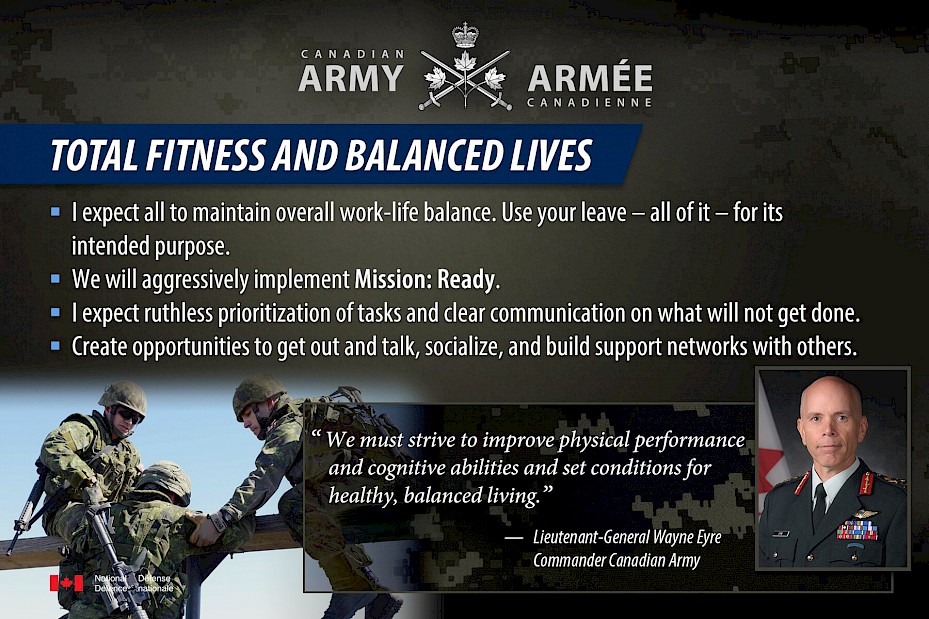
This new standard comes in the wake of the implementation of Mission: Ready, a program intended to introduce, promote and adopt a culture of fitness, and an overall healthy lifestyle.
It does go without saying, as time passes there are requirements to validate standards, by doing so, ensuring they remain current and continue to meet the operational requirement of the Army. Maybe the time has come for the CA to focus on evaluating the FORCE Combat to assess its merit and value, to ensure the design and standard meet the needs of the Army. In addition to that, collect and analyze completion data, study any associated injury rate, and gather recommendation to ensure the FORCE Combat IBTS is functioning as effective and efficient as possible.
In closing, it is worth noting that training for operations during times of peace is every member’s responsibility. This training must focus directly on operational relevance and requirements. Likewise, standards provide tactical athletes and soldiers the training focus needed to fight and win in battle. General-purpose combat capability training allows the member to operate across a full range of conflict, and by training for the high end of the conflict spectrum, we can be assured of our ability to operate at a less demanding levels.